
For parents, caregivers and teachers
A cartoon to watch together — and talk about after
The Adventures of Billy uses humor and cuteness to talk about big things: embarrassment, fear, frustration, friendship and differences. This guide shows you how to make the most of every episode.
The pillars of the series
What Billy teaches (without the lecture)
Naming emotions
Name it, and it gets smaller. Lisa helps Billy say “I feel shy,” and kids learn right along with him.
Courage in small steps
Shyness is never treated as a flaw. Courage means one step at a time — even a tiny “hi” counts.
Differences and neurodiversity
With Stu, kids learn that every friend feels, plays and “recharges their battery” in their own way.
Mistakes are part of it
Even Mom gets the cake wrong. Grown-ups who show how they handle frustration teach more than any advice.
A real family
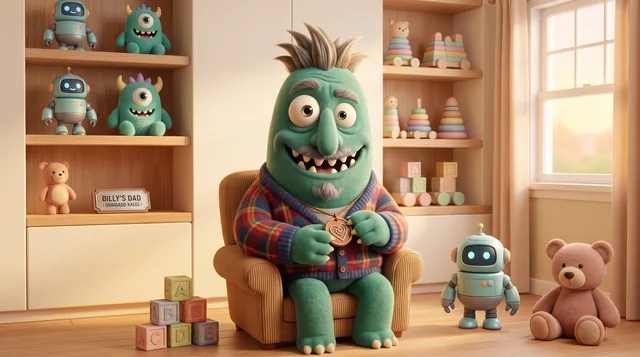
A playful, sometimes grumpy dad and a busy, tired, multitasking mom: an imperfect family full of love.
The fourth wall
At the end, Billy talks straight to your child. It's an invitation to think and answer — out loud.
In practice
How to turn an episode into a conversation
- Watch together, at least some of the time. Laugh at the same parts.
- Pause for Billy's Little Lesson. When he looks at the screen, let your child answer.
- Use the episode's question (you'll find it under “For grown-ups” in the Video Corner) at dinner, bath time or bedtime.
- Share a story of your own. “Did you know I feel shy sometimes, too?” brings you closer than any explanation.
- Play afterward: the “How Does Billy Feel?” game and the Feelings Diary keep the conversation going off-screen.

FAQ
What parents and teachers ask
What age is The Adventures of Billy for?
The series was made for kids ages 3 to 7, the stage when they start to recognize and name their own emotions. The episodes also have layers of humor and heart written for the grown-ups watching along.
Is Billy an educational cartoon?
Yes. The focus is social-emotional learning: naming feelings, handling shyness and frustration, making friends and respecting differences — always through the story, never through lectures.
What is Billy's Little Lesson?
It's the moment at the end of every episode when Billy looks at the screen, sums up the day's lesson in a sweet way and asks your child a question. It's worth pausing the video and letting them answer.
Is Stu autistic?
Yes. Stu is a 6-year-old autistic robot who loves clear rules, numbers and electronics. The series portrays autism with respect and from his point of view, helping kids understand and welcome neurodivergent friends.
How much screen time is recommended for kids?
The World Health Organization's 2019 guidelines recommend that children ages 2 to 4 have no more than 1 hour of sedentary screen time a day — and less is better. Billy's episodes are short on purpose, so they fit easily into that routine, ideally watched together.
How can I help a shy child?
Acknowledge what they feel, without labeling or pushing. Prepare them for new situations, practice together (like Billy does with his teddy bear) and celebrate the small brave moments. If shyness is causing real distress, talk to your pediatrician or a child psychologist.
The Adventures of Billy is educational entertainment and is not a substitute for professional advice. If you have concerns about your child's emotional development, talk to your pediatrician or a child psychologist.
Billy's Family Club
New episode, new activity. Straight to your inbox.
For parents, caregivers and teachers: episode alerts, free printable activities and book news. No spam — Billy promises.